Assisted Living Facilities Activities
by Admin
Posted on 03-03-2025 09:33 AM
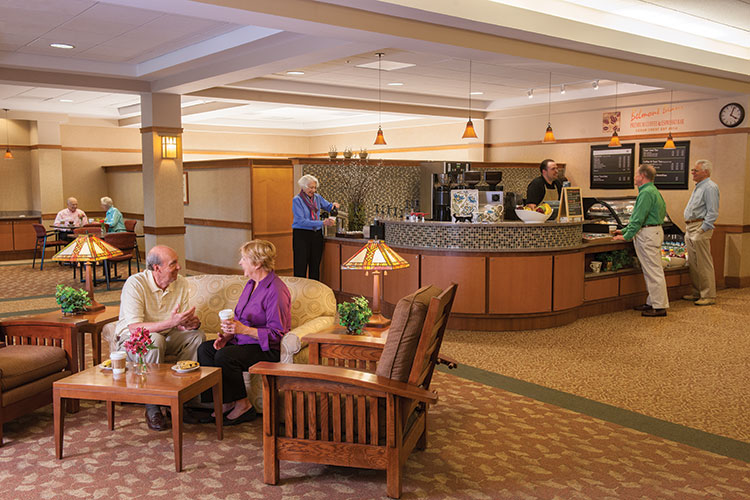
Overview of Activities
The range of activities in assisted living facilities is broad and varied. They are designed to cater to different preferences, abilities, and interests, ensuring that every resident finds something that suits them. Activities can be categorized into several types, including physical activities, cognitive stimulation, creative pursuits, and social interactions. Physical activities, such as walking clubs, yoga, and dance classes, are crucial for maintaining mobility and physical health. Cognitive stimulation activities, including puzzles, trivia, and educational workshops, help keep the mind active and sharp. Creative pursuits like painting, gardening, and cooking classes provide an outlet for self-expression and creativity. Social interactions, through events like movie nights, game nights, and community outings, foster a sense of community and belonging among residents.
Types of Activities
Physical Activities
Physical activities are a cornerstone of assisted living facilities' programs. They are designed to be accessible and enjoyable for residents of all abilities. Exercise classes, such as chair yoga or tai chi, are modified to accommodate physical limitations, ensuring that everyone can participate. Walking clubs and outdoor activities like gardening not only promote physical health but also provide opportunities for residents to connect with nature. These activities are often led by trained professionals who can offer support and guidance, making them safe and beneficial for all participants.
Cognitive Stimulation
Activities aimed at cognitive stimulation are vital for maintaining mental agility and preventing cognitive decline. Facilities offer a range of programs, from simple puzzles and games to more complex activities like learning a new language or participating in art therapy. These activities challenge the mind, promote memory recall, and can even help manage symptoms of dementia. Moreover, they provide a sense of accomplishment and pride, which is essential for emotional well-being.
Creative Pursuits
Creative activities are a highlight of life in assisted living facilities. They offer residents the chance to express themselves, explore new talents, and enjoy hobbies they may have had to put aside due to physical limitations. Arts and crafts sessions, music programs, and writing workshops are popular among residents. These activities not only foster creativity but also provide a therapeutic outlet for emotions, helping to reduce stress and promote relaxation.

Benefits of Activities
The benefits of activities in assisted living facilities are multifaceted. Physically, they help maintain mobility, strength, and flexibility, reducing the risk of falls and other age-related health issues. Mentally, they stimulate the mind, potentially slowing down cognitive decline and helping manage dementia symptoms. Emotionally, activities provide a sense of purpose, reduce feelings of loneliness and isolation, and promote overall well-being. Socially, they encourage interaction, helping to build friendships and a sense of community among residents.
Customization of Activities
One of the strengths of assisted living facilities is their ability to customize activities based on the interests and needs of their residents. Facilities often conduct assessments and surveys to understand what residents enjoy and what they would like to see more of. This feedback is used to tailor activity programs, ensuring they are relevant, engaging, and meet the diverse needs of the community. For residents with specific needs, such as those with dementia, facilities may offer specialized activities designed to stimulate memory and provide comfort.
Technology Integration
In recent years, there has been a significant integration of technology into activity programs in assisted living facilities. Virtual reality experiences, video conferencing for remote family visits, and digital platforms for cognitive stimulation are becoming more common. These technologies not only provide new and exciting ways for residents to engage but also offer solutions for those who may have mobility issues or prefer solitary activities. They can connect residents with the world outside their facility, reducing feelings of isolation and broadening their horizons.
Challenges and Solutions
Despite the numerous benefits, there are challenges in implementing and maintaining vibrant activity programs in assisted living facilities. Staffing, budget constraints, and ensuring accessibility for all residents can be significant hurdles. Facilities are addressing these challenges by investing in staff training, seeking community partnerships to enhance programs, and incorporating resident feedback into activity planning. Additionally, many facilities are adopting person-centered care approaches, which prioritize the individual needs and preferences of residents, leading to more tailored and effective activity programs.
Future of Activities in Assisted Living
The future of activities in assisted living facilities looks promising, with a continued focus on personalization, technology integration, and community engagement. As the population ages and expectations for care evolve, facilities are adapting to provide more sophisticated, engaging, and beneficial activity programs, similar to those found in Assisted Living Facilities Activities. The incorporation of wellness programs, intergenerational activities, and environmental design that supports physical and mental health will become more prevalent. The goal is to create environments that not only support the health and well-being of residents but also inspire them to live fulfilling and meaningful lives.
Conclusion
Activities in assisted living facilities are a vital component of the care and support provided to residents. They enhance physical health, stimulate the mind, foster creativity, and promote social interaction and emotional well-being. As these facilities continue to evolve, the focus on personalized, engaging, and technologically integrated activities will remain a priority, ensuring that residents live their best lives.
FAQs
What types of activities are typically offered in assisted living facilities?
Assisted living facilities offer a wide range of activities, including physical exercises, cognitive stimulation programs, creative pursuits, and social events, designed to cater to the diverse interests and needs of residents.
How are activities customized for residents?
Facilities often conduct assessments and surveys to understand residents' interests and preferences, using this feedback to tailor activity programs and ensure they are relevant and engaging.
Can residents with dementia participate in activities?
Yes, many facilities offer specialized activities designed for residents with dementia, aiming to stimulate memory, provide comfort, and promote a sense of well-being.
How does technology play a role in activity programs?
Technology, such as virtual reality, video conferencing, and digital cognitive stimulation tools, is increasingly being integrated into activity programs to provide new experiences, connect residents with the outside world, and enhance engagement.
What is the goal of activity programs in assisted living facilities?
The primary goal is to enhance the overall quality of life for residents, promoting physical health, mental agility, creativity, social interaction, and emotional well-being, and inspiring residents to live fulfilling lives.
Residences at Vantage Point
5400 Vantage Point Rd, Columbia, MD 21044
(410) 964-5454