Retirement Community Events
by Admin
Posted on 03-03-2025 09:33 AM
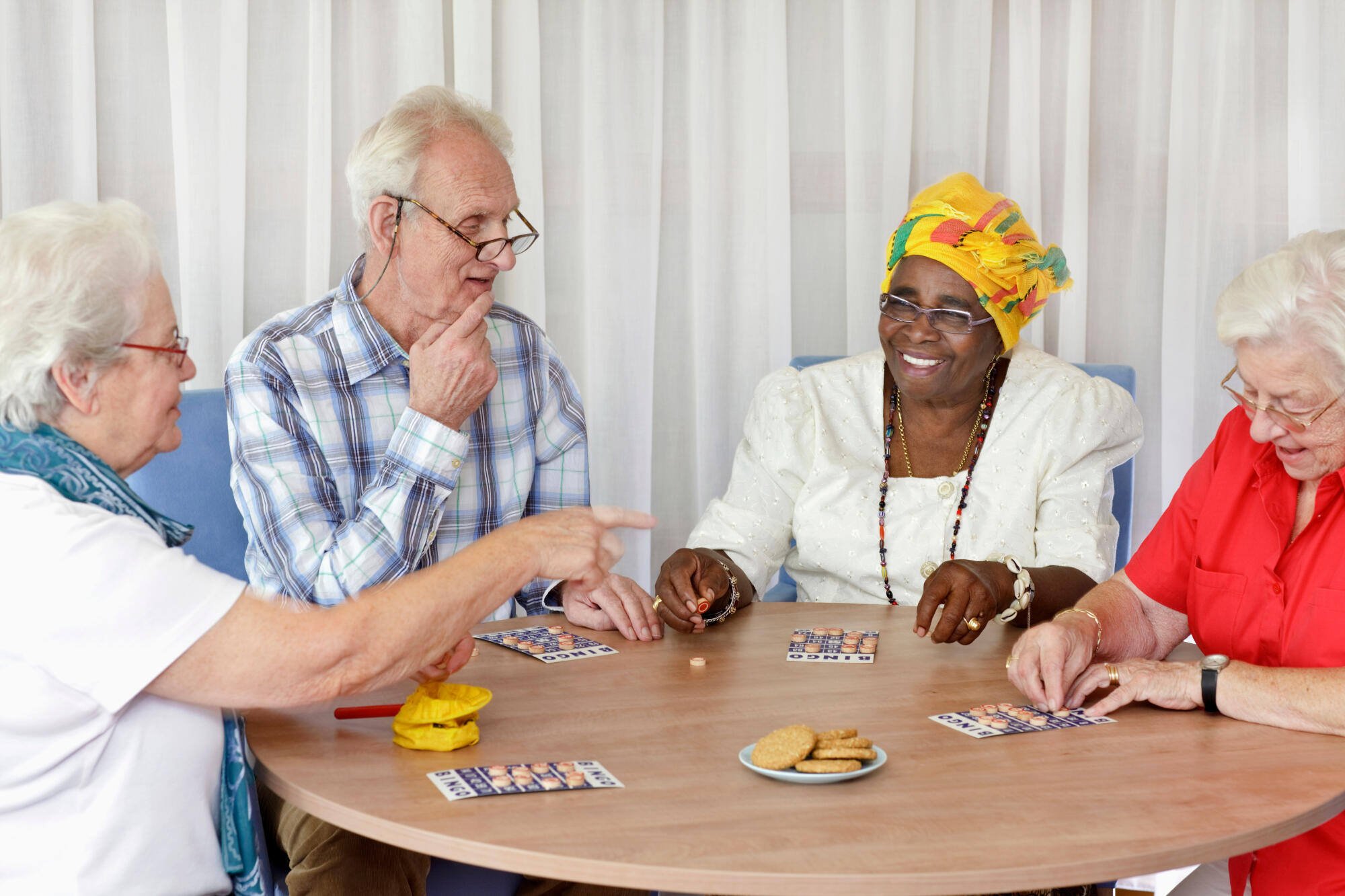
Understanding the Importance of Community Events
Community events are essential for retirees, as they help to combat loneliness, isolation, and depression. When people retire, they often leave behind a social network and routine that provided structure and meaning to their daily lives. Community events can help fill this void, providing a sense of connection and purpose. Moreover, these events can also help to promote physical and mental health, as social engagement has been shown to have numerous health benefits, including reduced risk of cognitive decline and improved mood.
Types of Community Events
Retirement community events can take many forms, depending on the interests and needs of the residents. Some common types of events include:
Social Events
Social events, such as parties, game nights, and outings, provide opportunities for retirees to connect with one another and build relationships. These events can be organized around specific themes or interests, such as a book club or a sporting event.
Educational Events
Educational events, such as workshops, lectures, and classes, provide opportunities for retirees to learn new skills and expand their knowledge. These events can cover a wide range of topics, from technology and finance to art and history.
Volunteer Events
Volunteer events, such as charity work and community service, provide opportunities for retirees to give back to their community and make a positive impact. These events can help to foster a sense of purpose and fulfillment, as well as provide a chance to meet like-minded individuals.
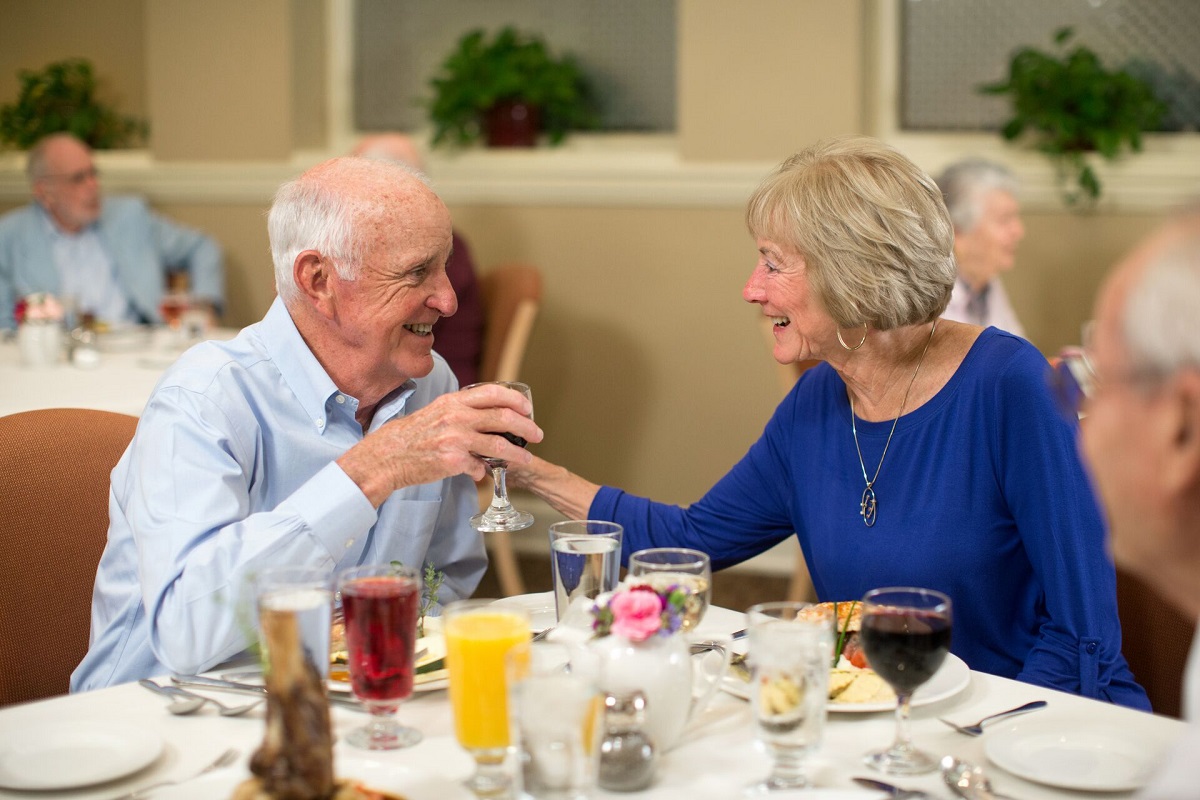
Planning and Organizing Events
Planning and organizing community events requires careful consideration and attention to detail. The first step is to identify the interests and needs of the residents, which can be done through surveys, focus groups, and one-on-one interviews. Once the interests and needs have been identified, the next step is to plan the event, including selecting a date, time, and location, as well as arranging for any necessary equipment or supplies. Finally, the event should be promoted through various channels, such as flyers, social media, and email invitations.
Overcoming Challenges
Despite the many benefits of community events, there are also challenges to be overcome. One common challenge is finding ways to engage residents who may be hesitant to participate, due to shyness, mobility issues, or other factors. To overcome this challenge, event organizers can try to create a welcoming and inclusive atmosphere, as well as provide opportunities for residents to participate in smaller, more low-key events. Another challenge is finding ways to fund community events, which can be done through a variety of means, such as charging a small fee for attendance, seeking sponsorships, or applying for grants.
Building a Sense of Community
Building a sense of community is essential for creating a positive and supportive environment for retirees. Community events can play a key role in this process, by providing opportunities for residents to connect with one another and build relationships. To build a sense of community, event organizers can try to create a sense of ownership and responsibility among residents, such as by forming a resident council or volunteer committee. Additionally, event organizers can try to foster a sense of inclusivity and diversity, by providing opportunities for residents to share their unique perspectives and experiences.
Measuring Success
Measuring the success of community events is essential for evaluating their effectiveness and making improvements. One way to measure success is to track attendance and participation rates, as well as gather feedback from residents through surveys and focus groups. Another way to measure success is to evaluate the impact of community events on resident outcomes, such as improved physical and mental health, increased social connection, and enhanced overall well-being.
Conclusion and Future Directions
In conclusion, retirement community events play a vital role in enhancing the quality of life for retirees. By providing opportunities for socialization, entertainment, and personal growth, these events can help to combat loneliness, isolation, and depression, while also promoting physical and mental health. As the population ages, it is likely that the demand for community events will continue to grow, and it is essential that event organizers and planners are prepared to meet this demand. By building on the successes of existing community events, and exploring new and innovative ways to engage and support retirees, we can create a brighter, more fulfilling future for all.
For seniors who require a higher level of care, there are various options available, including assisted living facilities that provide a supportive environment and necessary assistance with daily activities.
FAQs
What types of events are typically offered in retirement communities?
Retirement communities often offer a wide range of events, including social events, educational events, and volunteer opportunities.
How can I get involved in planning and organizing community events?
To get involved in planning and organizing community events, you can start by attending events and meeting with event organizers, or by joining a resident council or volunteer committee.
What are the benefits of participating in community events?
Participating in community events can have numerous benefits, including improved physical and mental health, increased social connection, and enhanced overall well-being.
How can I find out about upcoming community events?
You can find out about upcoming community events by checking the community calendar, attending resident meetings, or following the community on social media.
What if I have mobility issues or other challenges that make it difficult for me to participate in community events?
Many retirement communities offer accommodations and support services to help residents with mobility issues or other challenges participate in community events. Be sure to ask about these services when you attend an event or meet with event organizers.
Residences at Vantage Point
5400 Vantage Point Rd, Columbia, MD 21044
(410) 964-5454